

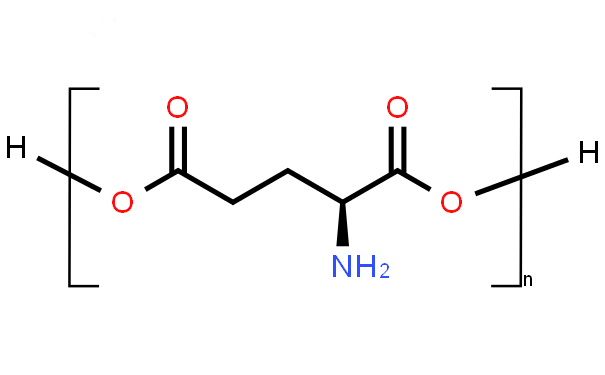
Poly-γ-glutamic acid (γ-PGA), a natural polymer, is mainly synthesized by various strains of bacillus Because of its water-solubility, anionic, biodegradable, nontoxic, and nonimmunogenic properties, it has been successfully used in the food, cosmetics, agriculture, and wastewater industries. The production of γ-PGA has already been established on the industrial scale. This chapter provides updated information about the biosynthesis, fermentation, purification, and application of γ-PGA. It focuses on knowledge of the enzymes and genes involved in γ-PGA biosynthesis and the effects of fermentation conditions and medium components on the production of γ-PGA. The current and potential applications of γ-PGA have also been reviewed. This review contributes to the further understanding of γ-PGA biosynthesis and sheds light on reducing the cost of production and further development of commercial-scale applications of γ-PGA.